SEO is not instant. Here is a realistic month-by-month timeline, what speeds results up or slows them down, and how to tell if it is working.
You have started investing in SEO, or you are about to, and the obvious question is: when will it pay off? It is a fair question. SEO takes money and time, and it is hard to stay patient when you cannot see results yet.
So how long does SEO take? The honest answer is that most businesses start to see early signs within a few months and more meaningful results over six to twelve months, but it depends heavily on your website, your competition and how much work goes in. This guide explains a realistic timeline, what speeds things up and how to tell if it is working.
Why SEO takes time
Search engines need to do several things before your work shows up in rankings:
- Recrawl your pages. Changes are not seen until search engines revisit the page. On small or new sites this can take days or weeks.
- Re-evaluate them. Search engines compare your updated page with everything else that could answer the same search.
- Build trust. Reviews, links and mentions from other sites accumulate gradually. Trust is earned, not switched on.
On top of that, your competitors are not standing still. If you are entering a competitive market, you are catching up with sites that may have been building content and links for years.
A realistic SEO timeline
This is a typical pattern for a small or medium business doing steady, good-quality work. Your project may move faster or slower.

Months 1 to 2: foundations
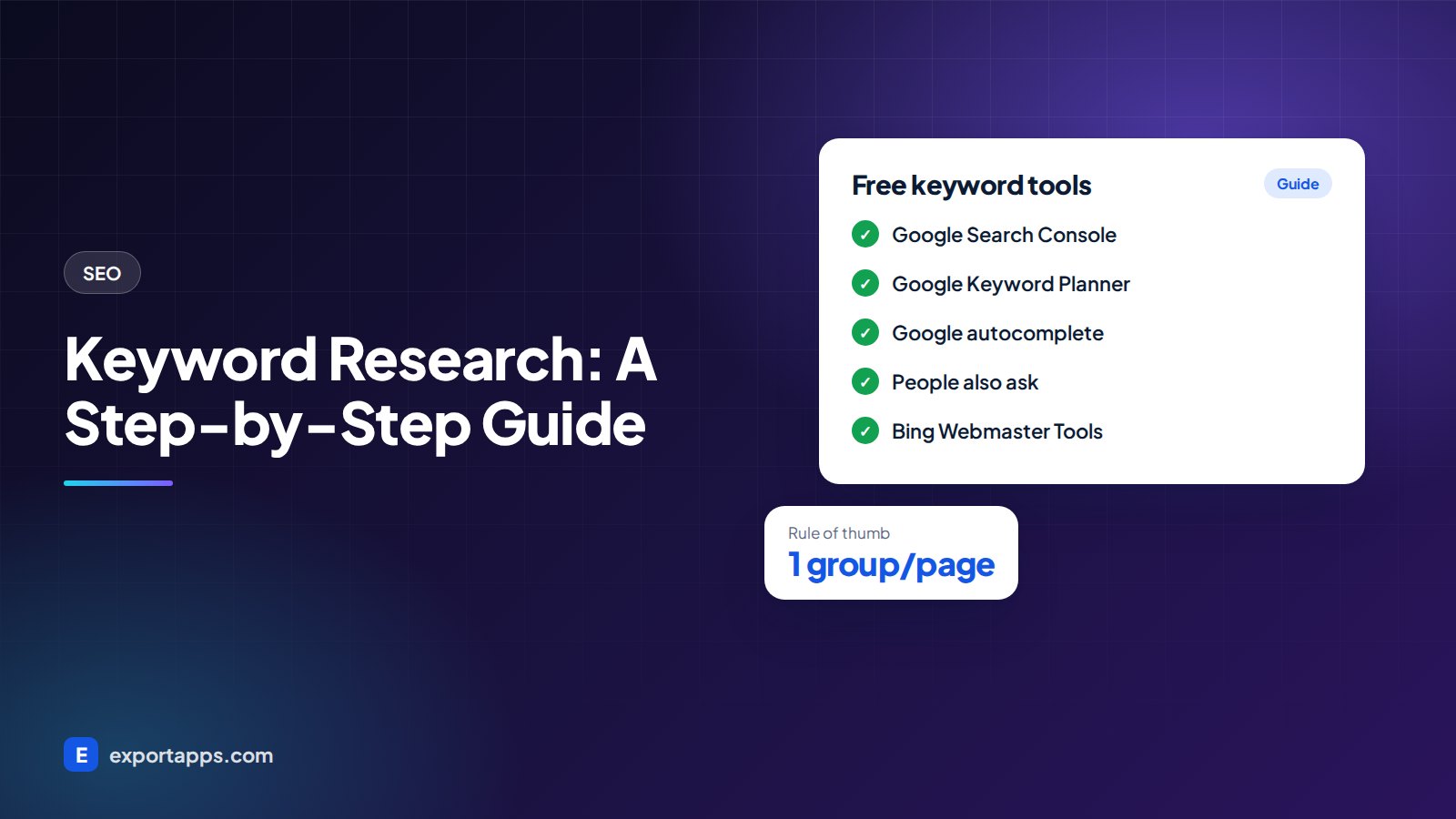
Audit, technical fixes, keyword research and a content plan. Google Business Profile and directory clean-up for local businesses. Rankings usually move little, but fixing blockers such as noindex tags or broken redirects can bring quick wins.
Months 3 to 4: first signs
New and improved pages get indexed. Search Console starts to show more impressions and new queries. Long tail phrases and local searches often move first. Leads may start to trickle in.
Months 5 to 8: building momentum
Content clusters fill out, internal links connect them and reviews and links accumulate. More pages reach the first page for specific searches. Organic leads become more regular.
Months 9 to 12 and beyond: compounding
Established pages gain authority, which helps new pages rank faster. The broader, more competitive phrases become realistic. This is when SEO usually starts to feel like an asset rather than a cost.
What affects how long SEO takes
Your starting point
An established site with some authority and good pages that just need fixing can improve quickly. A brand new domain starts from zero and usually takes longer.
Competition
Ranking a local electrician in a small town is much faster than ranking a national software brand. Look at who already ranks for your main searches: large, well-known sites mean a longer road.
Local or national
Local SEO often shows results sooner, because you compete with fewer businesses in a defined area. Our local SEO guide explains the quickest wins, such as completing your Google Business Profile.
Technical health
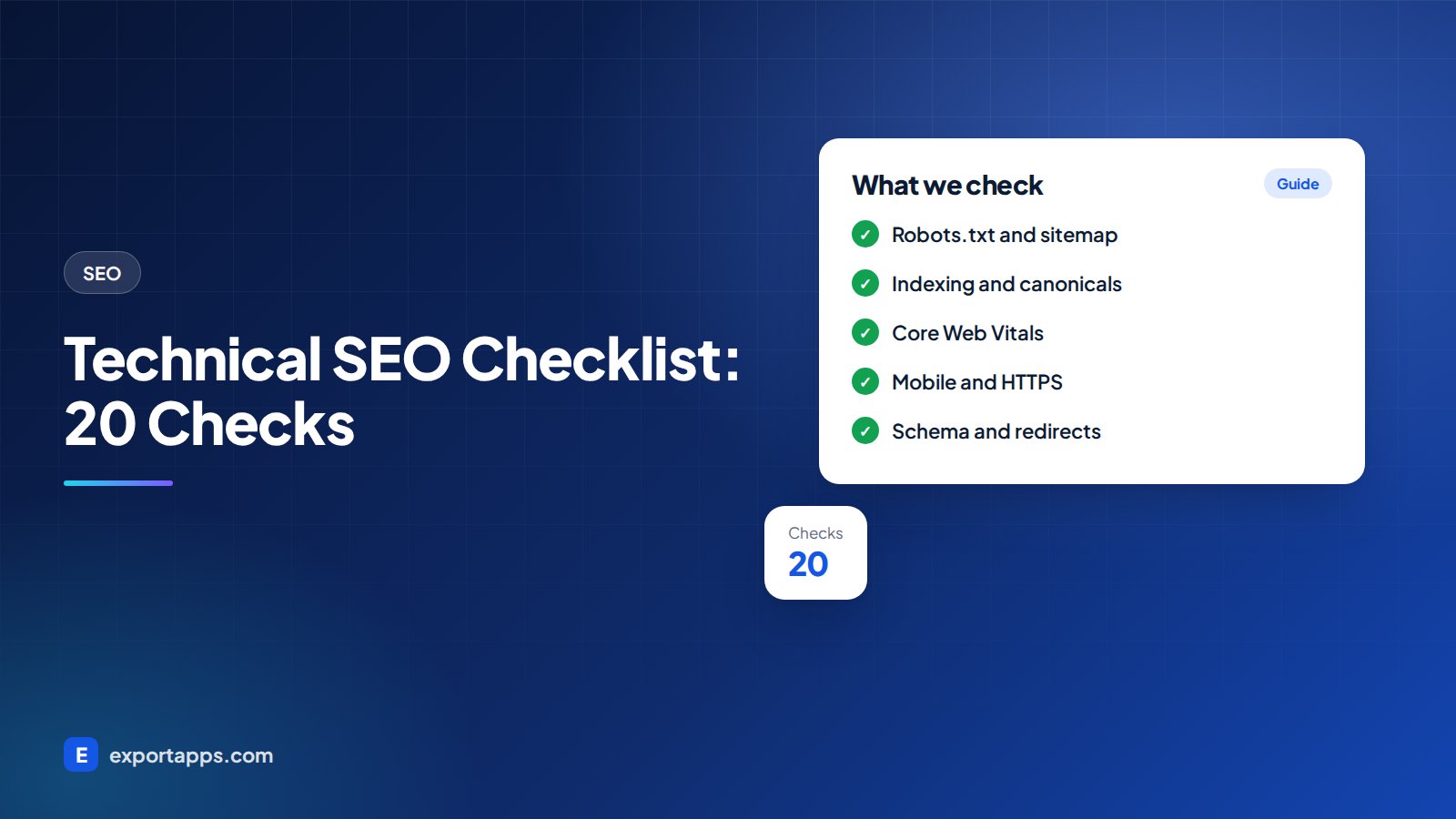
If search engines struggle to crawl or load your site, content will not perform until that is fixed. Run through our technical SEO checklist early.
Consistency and budget
Steady monthly work usually beats a burst of activity followed by silence. Budget affects how much content and outreach you can do each month; see typical ranges in SEO services cost.
Website changes
A redesign or platform move can reset progress if URLs change without proper redirects. Follow a website redesign checklist to protect what you have built.
How to get SEO results faster: a step-by-step plan
You cannot force Google, but you can stop wasting time. This is the order we work in.

- Fix technical blockers first. Make sure important pages can be crawled and indexed, load fast and work on phones. Nothing else counts until this is right.
- Improve pages that almost rank. In Google Search Console, find pages sitting on page two for useful searches. Improving them is usually faster than writing new pages.
- Target specific, long tail searches. Phrases like "custom CRM for a recruitment agency" have less competition and clearer intent than broad terms.
- Get local signals in order. For local businesses: a complete Google Business Profile, consistent listings and a steady flow of genuine reviews.
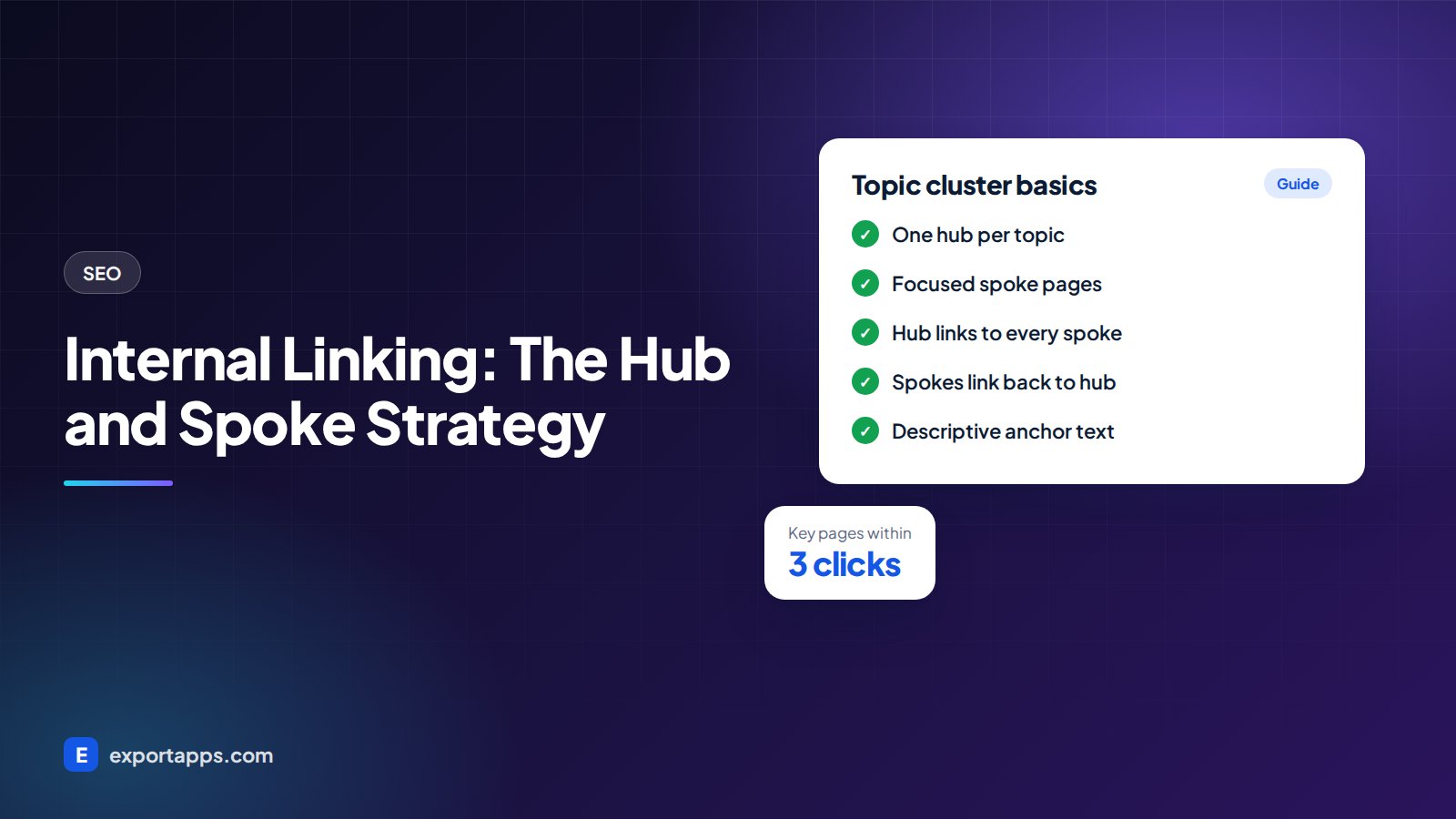
- Publish and link consistently. Add helpful pages on a regular schedule and link them into your topic clusters, so each new page supports the others.
How to tell if SEO is working before rankings jump
Rankings are the last thing to move. Watch these earlier signals in Search Console and your analytics:
- More pages indexed and fewer indexing errors.
- More impressions (how often you appear in results), even before clicks rise.
- More queries you appear for, especially long tail ones.
- Better average position for target pages.
- More organic visits and enquiries over time.
Compare month on month, but look at trends over a quarter. Daily and weekly numbers jump around.
Setting expectations inside your business
SEO often fails not because the work is wrong, but because people expect results too soon and stop after two or three months. Before you start, agree internally on:
- The goal: more calls, sales or demo requests, not just "rankings".
- The review points: for example a check at three, six and twelve months.
- The leading indicators: impressions, indexed pages and new queries in the first months, then visits and leads later.
- The budget horizon: commit for long enough to give the work a fair chance, usually at least six months.
This keeps everyone patient for the right reasons, and gives you clear points to change course if nothing is moving.
Red flags in SEO timelines
Be wary of anyone who promises:
- First place on Google within days or weeks.
- Guaranteed rankings for competitive phrases.
- Hundreds of links in the first month.
Fast tricks such as bought links or mass-produced pages can break search engine guidelines and set you back further. Real SEO is steady, transparent work. If you are still learning the basics, start with our guide to what SEO is.
Should you run ads while you wait?
Often, yes. Paid search can bring leads while SEO builds, and it also shows which keywords actually convert, which helps you prioritize SEO content. As organic traffic grows, many businesses reduce ad spend on the searches they now rank for.
Frequently asked questions
How long does SEO take for a new website?
New domains usually take longer, often six to twelve months or more to see steady organic traffic, because they start with no history or links. Specific long tail and local searches tend to move first.
Can SEO work in one month?
Technical fixes and Google Business Profile improvements can show early effects within weeks. Lasting rankings for competitive searches almost always take several months.
Why did my rankings drop after a redesign?
Usually because URLs changed without redirects, content was removed, or technical settings like noindex were left on. A careful migration plan avoids most of these problems.
When should I stop SEO?
Most businesses do not stop completely, because competitors keep publishing. Once you have strong rankings, the work often shifts to maintenance, updating content and growing into new topics.
Plan for months, not days
SEO rewards patience and consistency. Fix the foundations, focus on realistic searches, publish useful pages and watch the early signals. Results build and compound over time.
If you want a clear plan with honest timelines, our SEO and growth services can help. Book a free consultation and we will review your site and give you a clear, fixed quote.